
Myth
Biopsy spreads cancer.
Fact
A biopsy is usually the safest way to confirm the diagnosis and plan the right treatment.
Advanced cancer care, backed by national and international oncology training. Dr. Ankita Patel specializes in advanced radiotherapy, chemotherapy, immunotherapy, targeted therapy, IMRT, IGRT, VMAT, SBRT/SRS, Brachytherapy and precision treatment planning — with recognition from the Asia Book of Records.
Advanced cancer care, backed by national and international oncology training, with recognition from the Asia Book of Records.

Recognition & Achievements
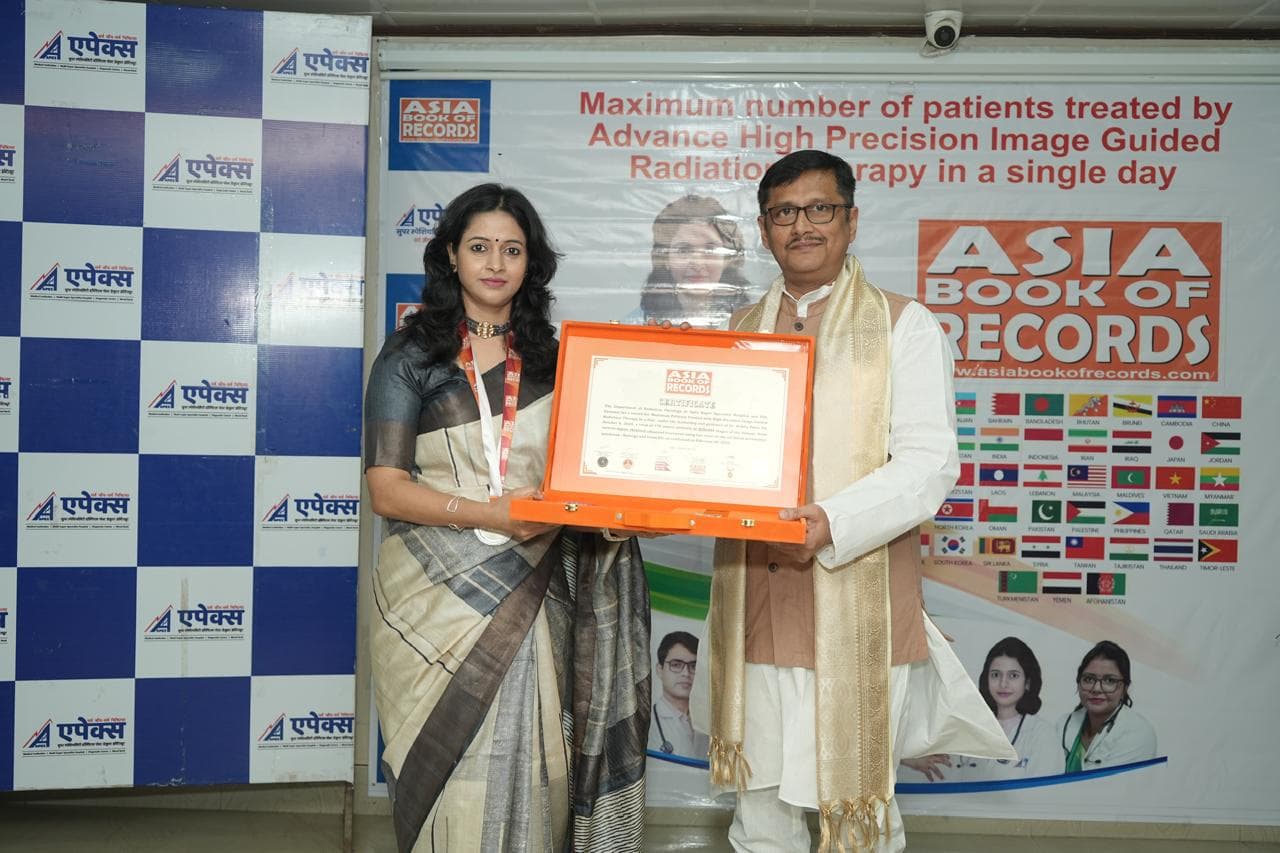
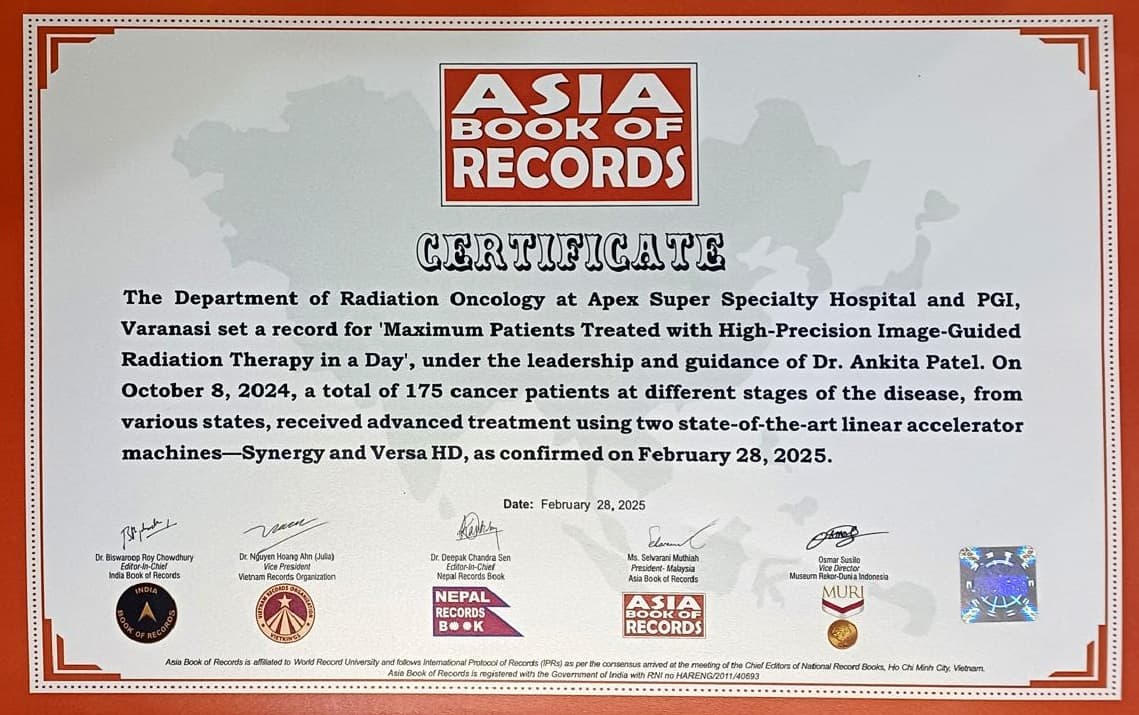
The Department of Radiation Oncology at Apex Super Specialty Hospital and PGI set a remarkable record for 'Maximum Patients Treated with High-Precision Image-Guided Radiation Therapy in a Day', achieved under the direct leadership and guidance of Dr. Ankita Patel.
On October 8, 2024, an incredible 175 cancer patients received advanced, life-saving treatment using two state-of-the-art linear accelerator machines (Synergy and Versa HD) in a single day, setting a new benchmark in clinical excellence and patient care efficiency.
Every patient deserves clarity — about their diagnosis, their options, and the road ahead. I ensure that families never leave a consultation more confused than when they arrived. Precision in treatment and honesty in communication are not competing values; they are the same commitment.
Meet Your Oncologist
Dr. Ankita Patel believes every patient deserves the same quality of care you'd find at the best hospitals in the world — right here in Varanasi.
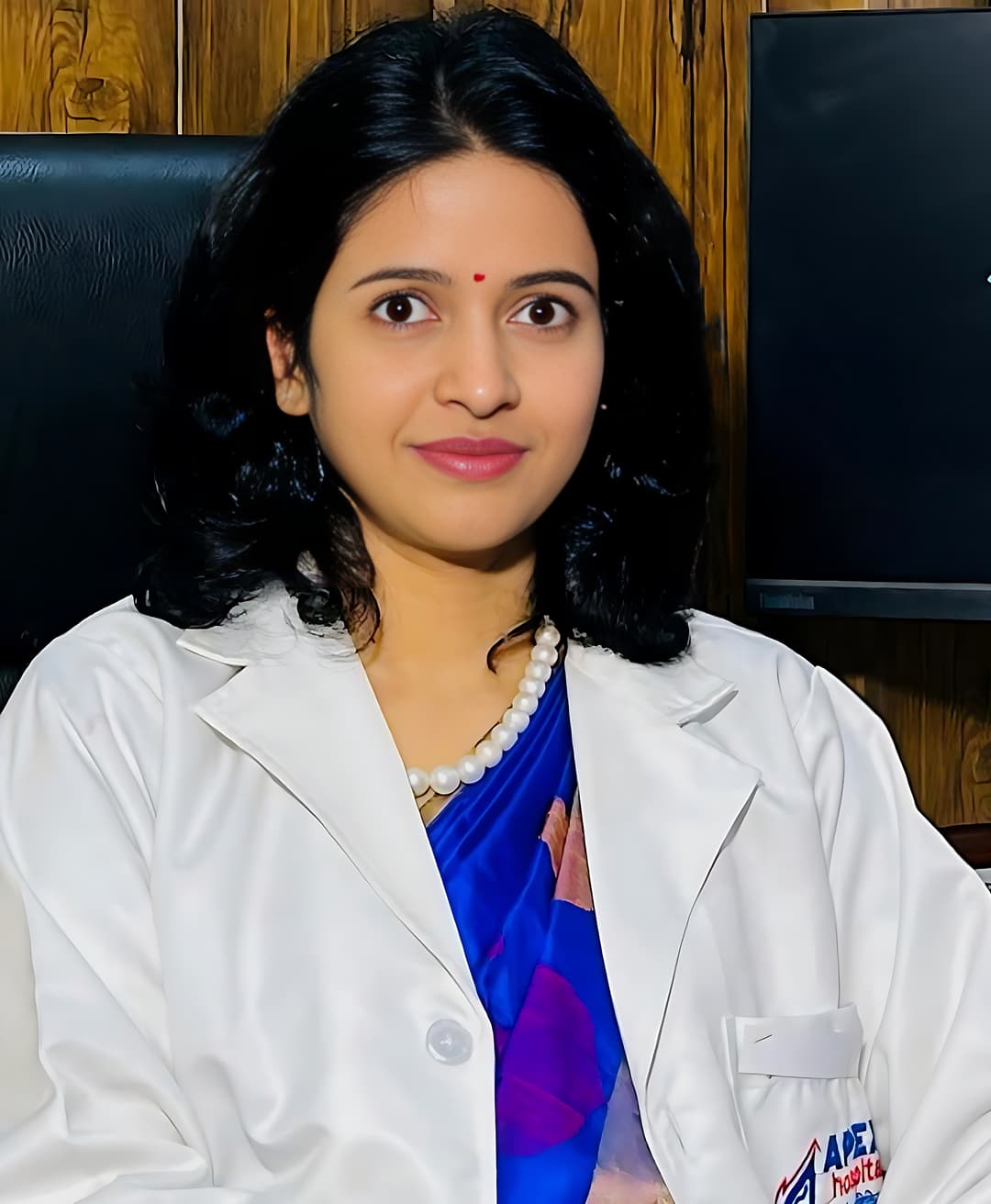
Dr. Ankita Patel is a radiation oncologist and Director of Oncology at Apex Super Speciality Hospital, Varanasi. After training at India's premier cancer centre and internationally in Singapore, she returned to bring that global standard of care to Eastern UP — because patients here deserve nothing less.
Clinical Expertise
Each cancer type has a dedicated care pathway: concise patient education, Dr. Ankita Patel's treatment approach, and the Apex Super Speciality Hospital technology that supports precise oncology care.
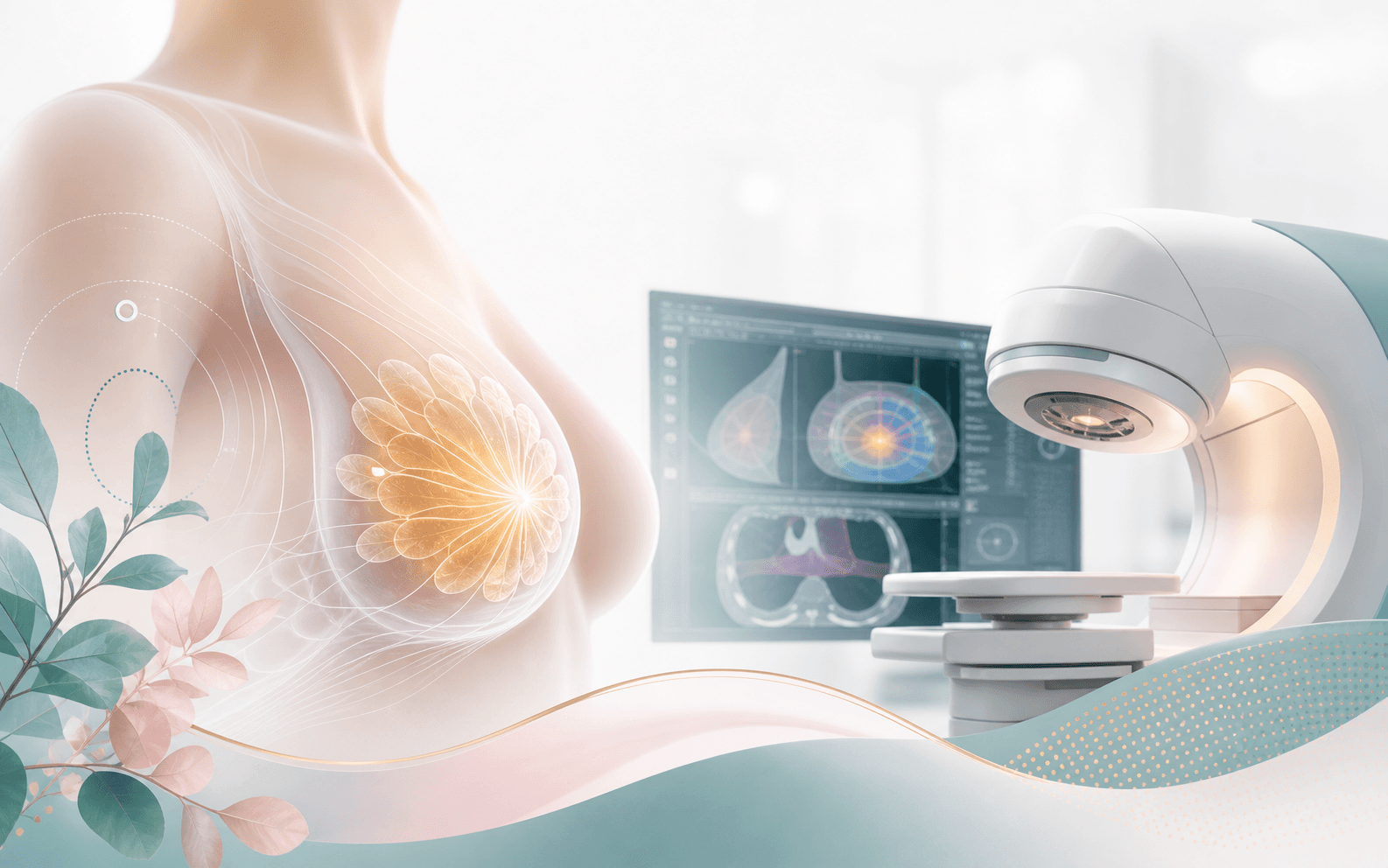
Precision radiation for early and advanced breast cancer, including post-surgical and palliative care.
Learn more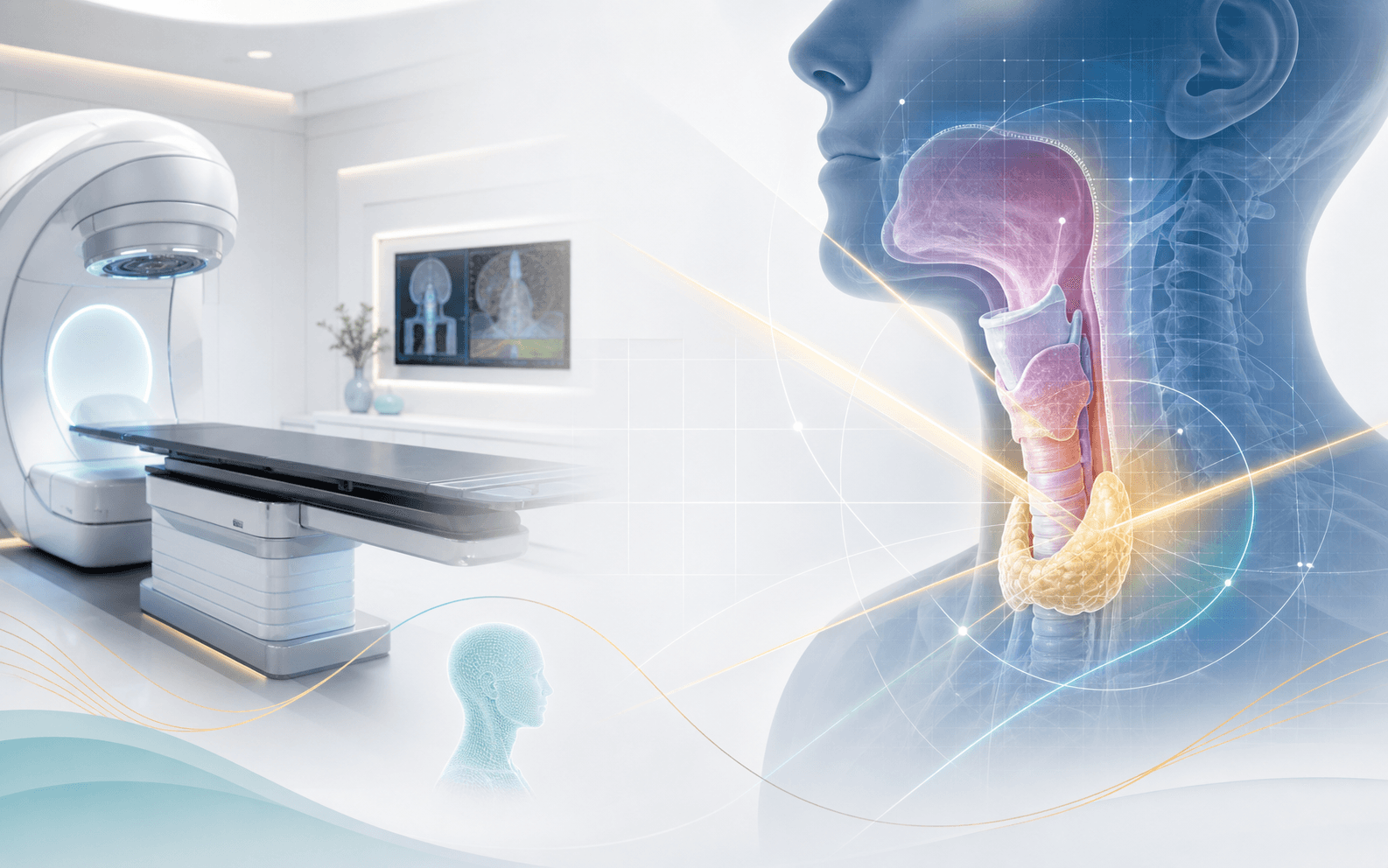
Targeted radiation planning for oral, throat, larynx, and thyroid-region cancers with function preservation.
Learn more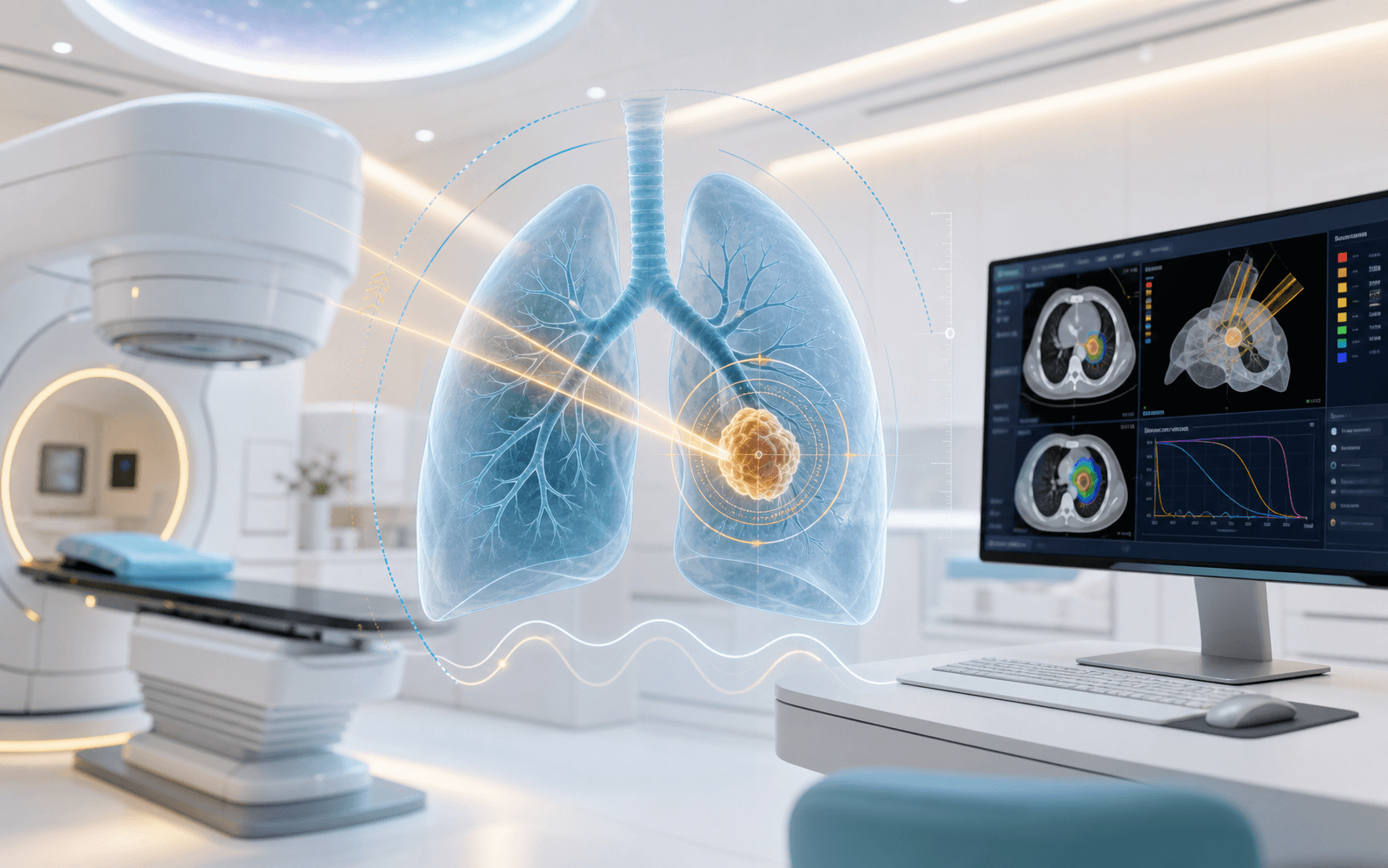
SBRT and conventional radiation for lung tumours, mediastinal disease, and selected metastatic sites.
Learn more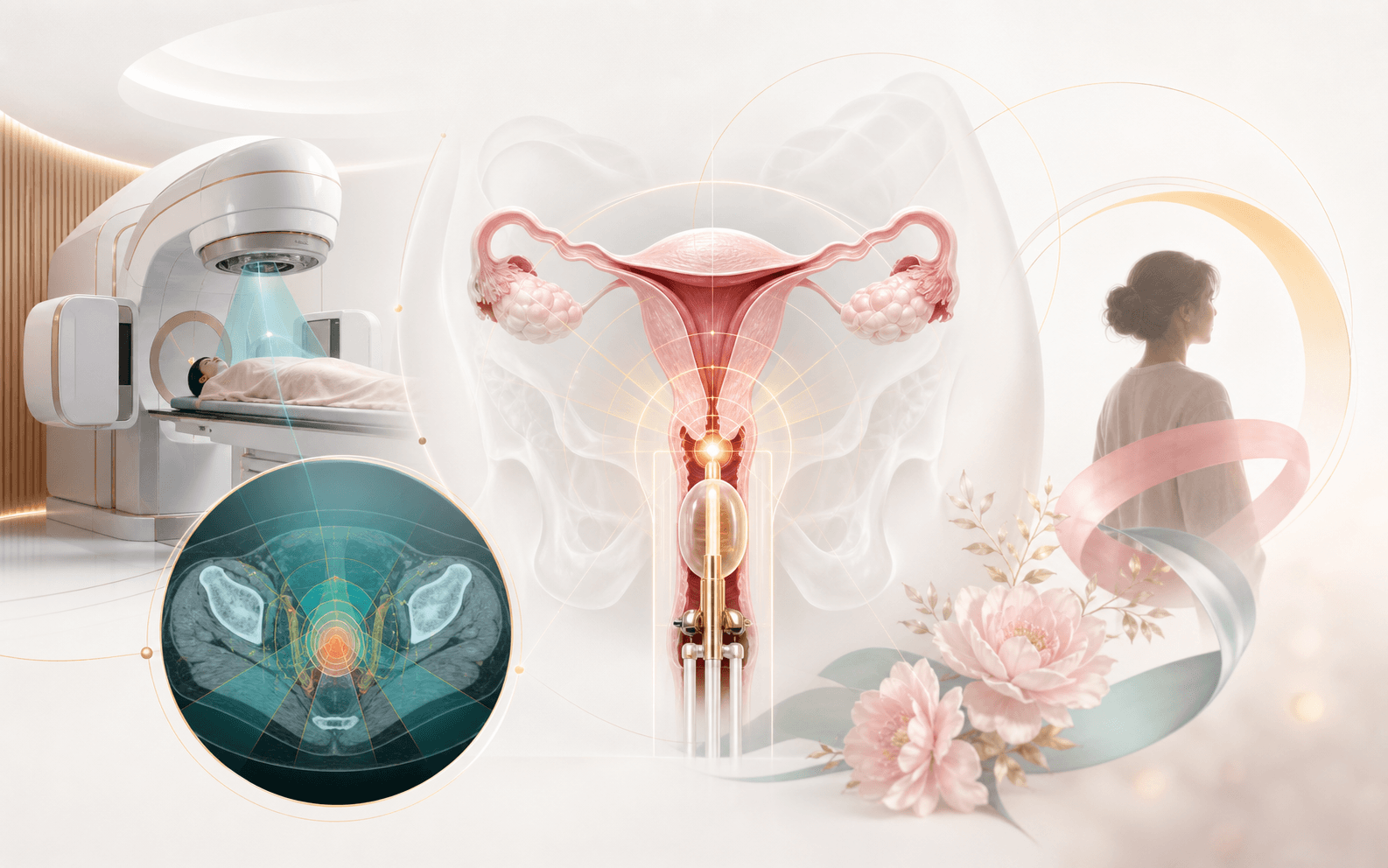
Comprehensive care for cervical, uterine, vaginal, vulvar, and ovarian cancers combining EBRT and brachytherapy.
Learn more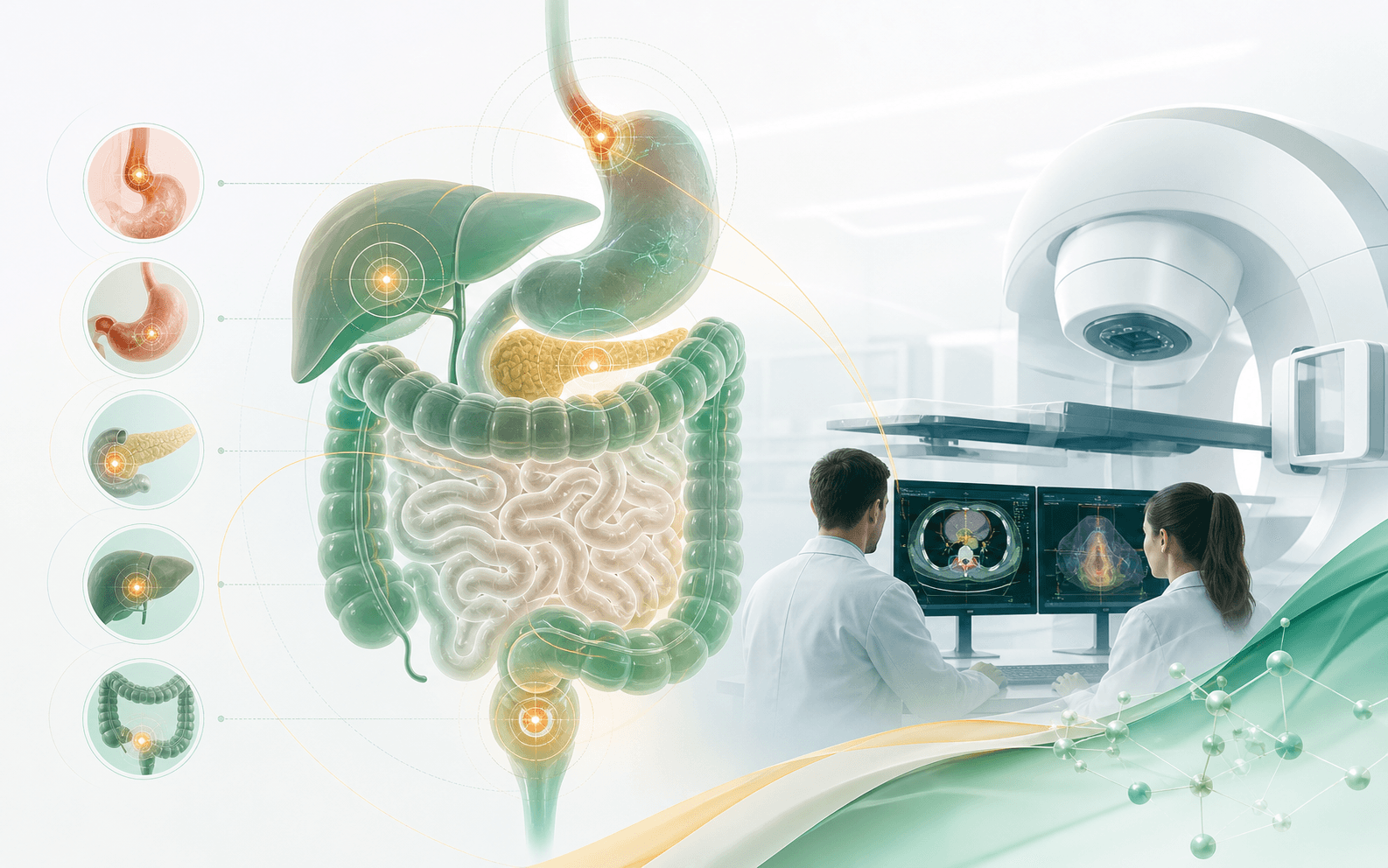
Radiation for colorectal, gastric, oesophageal, pancreatic, anal, and selected liver-region cancers with systemic coordination.
Learn more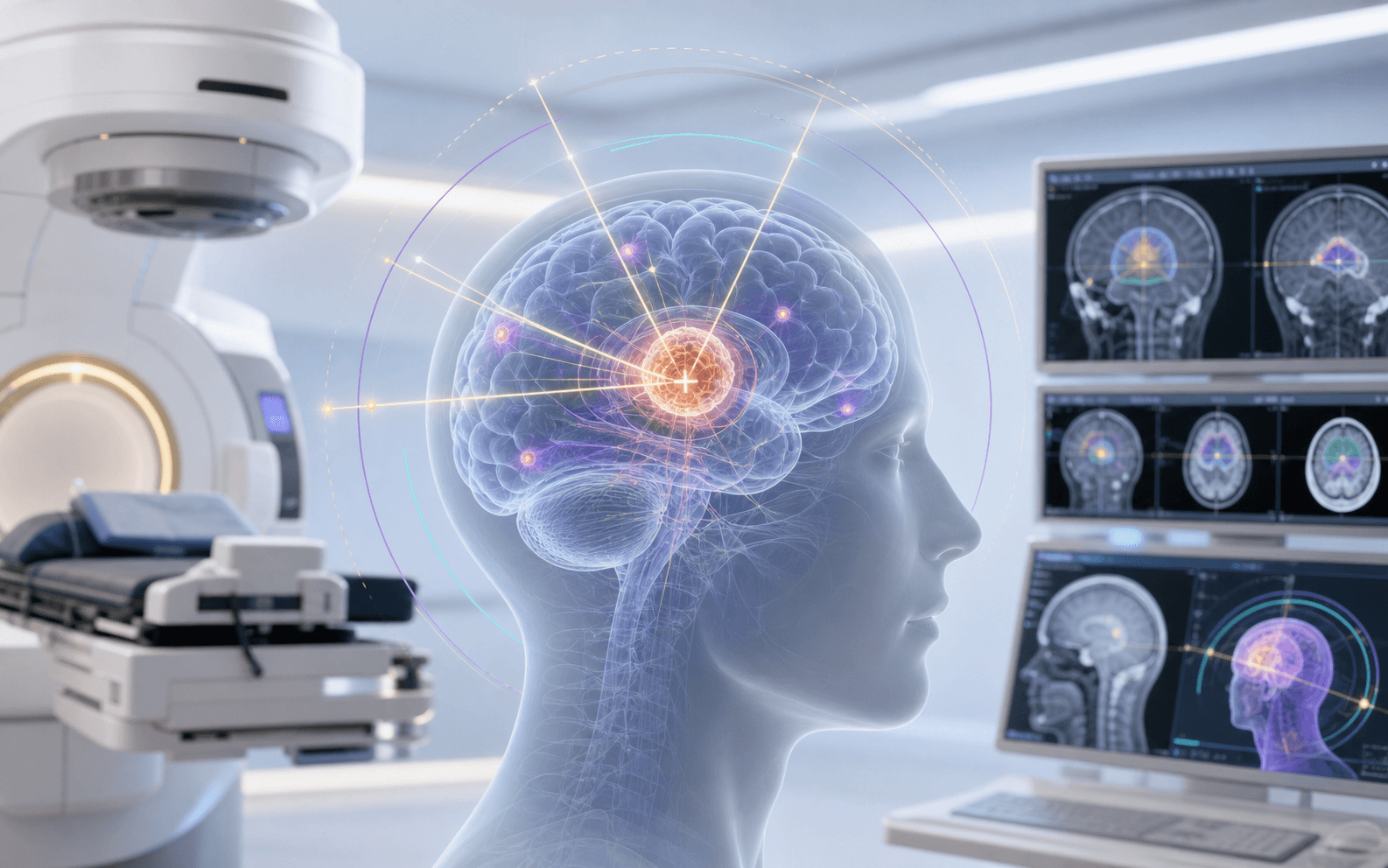
Whole-brain, conformal, stereotactic, and focal radiation approaches for primary and metastatic brain tumours.
Learn more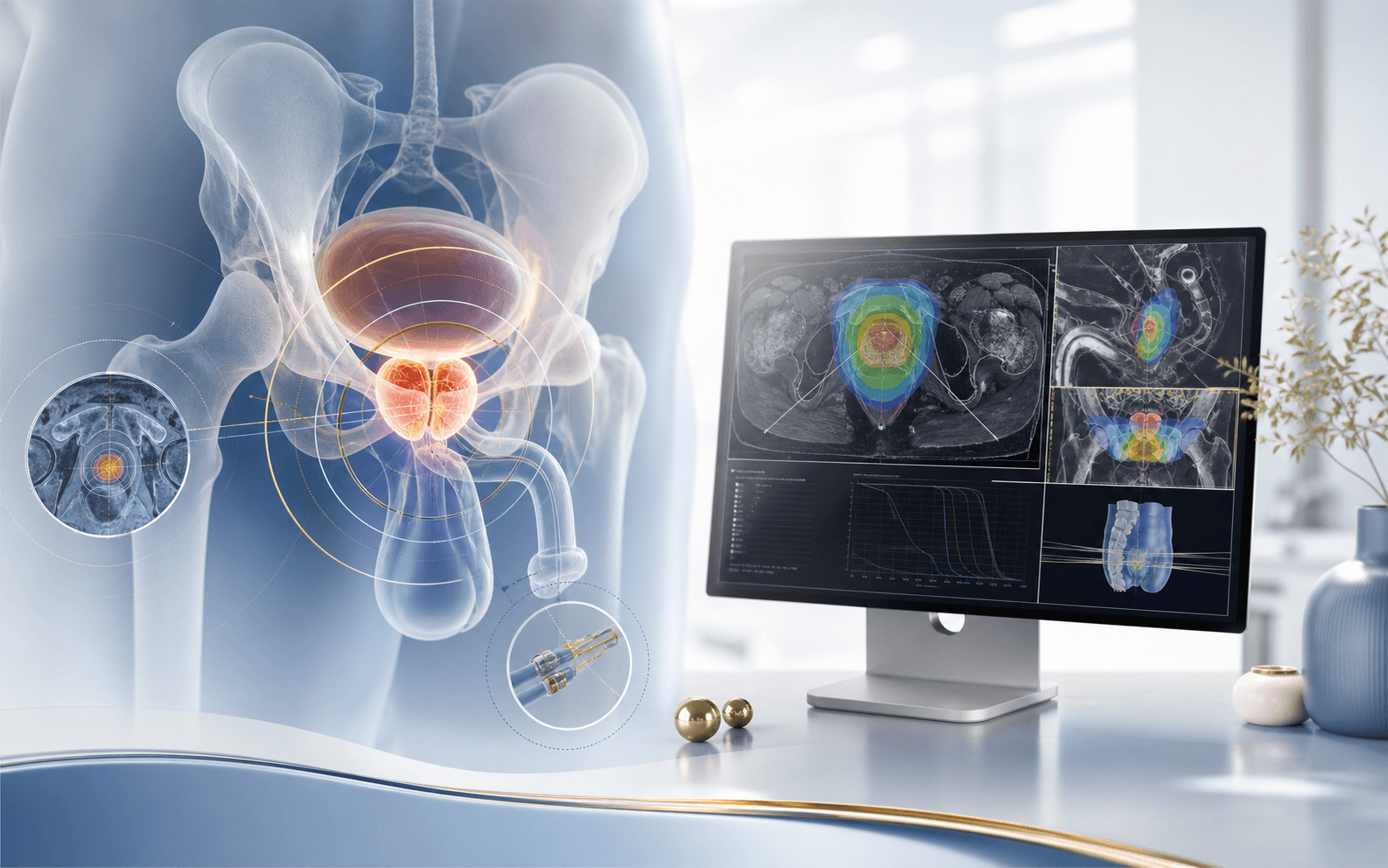
IMRT and brachytherapy for prostate cancer; radiation planning for bladder, kidney-area, and selected urological tumours.
Learn more
Pain-control radiation and comfort-focused care for patients with advanced or metastatic disease.
Learn moreTreatment Capabilities
Every treatment is chosen based on your diagnosis, staging, reports, and clinical evaluation — never a one-size-fits-all approach.
Intensity-Modulated Radiation Therapy
IMRT uses computer-controlled beams that modulate their intensity to shape radiation dose tightly around the tumour. This allows higher doses to reach the cancer while sparing surrounding healthy organs and tissues.
Image-Guided Radiation Therapy
IGRT takes imaging scans — often CT or X-ray — immediately before each treatment session to verify patient positioning and tumour location. Any detected shift is corrected before radiation is delivered, improving accuracy throughout the course.
Volumetric Modulated Arc Therapy
VMAT delivers radiation while the machine rotates continuously around the patient in one or more arcs. The beam shape, dose rate, and speed all change dynamically, producing highly conformal plans in shorter treatment times.
Stereotactic Body / Radiosurgery
SBRT (body) and SRS (brain) deliver ablative doses of radiation in 1–5 sessions to small, well-defined tumours. Immobilisation devices and advanced imaging ensure sub-millimetre accuracy across every fraction.
Brachytherapy (Internal Radiation)
Brachytherapy places radioactive seeds or a catheter directly inside or adjacent to the tumour. Because the source is so close to the cancer, very high doses are delivered locally while surrounding tissues receive substantially less radiation.
Chemotherapy
Chemotherapy uses medicines given intravenously or orally that travel through the bloodstream to reach cancer cells. It can be given before surgery (neoadjuvant), alongside radiation (concurrent), or after primary treatment (adjuvant).
Immunotherapy
Immunotherapy includes checkpoint inhibitors and other agents that help your immune system recognise and destroy cancer cells. It can produce durable responses in selected patients whose tumours express certain biomarkers.
Targeted Therapy
Targeted therapies are drugs designed to block specific proteins or pathways that cancer cells depend on to grow. Genomic or molecular testing of the tumour helps identify which targets are present and which drug is most likely to work.
“The right treatment depends on your reports, your body, and your priorities — not a checklist.”
— Dr. Ankita Patel
Treatment decisions are always made after personal evaluation of your reports and clinical condition.
Patient Journey
Every step is mapped out so you and your family always know what to expect — no surprises, no unanswered questions.
Reviewing symptoms, past reports, and conducting necessary biopsies or scans to ensure an accurate understanding of the condition.
Multidisciplinary tumor board discussion and simulation scans to create a personalized, highly precise treatment map.
Executing the treatment schedule while actively managing side effects with practical guidance, nutrition support, and clinical review.
Ongoing monitoring of recovery, treatment response, and late effects, along with guidance for a healthy life post-treatment.
“Every step is explained before it begins. You will never be left without answers.”
Education & Awareness
Knowledge reduces fear. Dr. Ankita Patel's education initiative reaches patients and families across Uttar Pradesh, Bihar, and Jharkhand with clear, accessible cancer information.


Educational Blogs
Clear articles for patients and families who want to understand diagnosis, treatment, side effects, recovery, and follow-up without unnecessary fear.
Radiation Basics
A calm explanation of how modern radiation targets cancer cells, what planning involves, and why patients should not fear the treatment room.
Patient Education
Common myths can delay diagnosis and treatment. Here is a patient-friendly way to separate fear from facts.
First Consultation
A practical checklist to help patients and families use the first oncology visit with less confusion and more confidence.
Early Detection
Symptoms that should not be ignored, and how timely evaluation can make the next step clearer and calmer.
Nutrition Support
Simple, reassuring food guidance for patients facing chemotherapy, radiation, surgery, or recovery.
Radiation Support
What patients may feel during radiation therapy, what is usually manageable, and when to call the care team.
Survivorship
A practical guide to follow-up visits, recovery expectations, warning symptoms, and emotional healing after treatment.
Patient Clarity
Gallery
Get in Touch
Share a few details to schedule a personalised consultation. Our clinic team will confirm your appointment within 24 hours.
Reach us directly — we respond to all enquiries within 24 hours on working days.
Phone
Clinic Address
Apex Super Speciality Hospital & PGI,
BLW-Hydel road, Varanasi,
Uttar Pradesh — 221 004
Medical Disclaimer: Information on this website is for educational purposes only and does not constitute medical advice. Treatment decisions should be made only after clinical evaluation by a qualified oncologist.